 DWUL
DWULWhy Brazil. Why now.
One of the cleanest power systems in the world, with demand still growing, storage becoming a market and the electricity market opening to every consumer.
of Brazil’s electricity matrix came from renewable sources in 2025. Wind and solar alone supplied 26.4% of generation.
of electricity consumption projected for 2035 in the official reference scenario, growing 3.3% a year. Average grid load rises from 83 GW to 115 GW.
of battery storage projects registered for Brazil’s capacity reserve auctions of 2 and 4 December 2026, with 15-year contracts starting in 2028.
invested in renewable energy in Brazil from 2015 to 2024, the second largest total among emerging markets.
What is changing in Brazil’s power market.
Brazil scheduled two battery capacity reserve auctions for December 2026: 15-year contracts from August 2028 for projects of at least 30 MW, with four hours of storage.3 Batteries are part of the DWUL Energy portfolio.
Law 15.269 of November 2025 opens the free electricity market to low-voltage consumers: commerce and industry within 24 months, all other consumers within 36 months.5 A larger pool of buyers for long-term renewable supply.
Brazil curtailed 4,330 GWh of generation in 2024 for energy reasons, with the Northeast the most affected region.6 A portfolio spread across all four submarkets reduces exposure to any single regional constraint. That is how the DWUL Energy portfolio is built.
A platform built for this market.
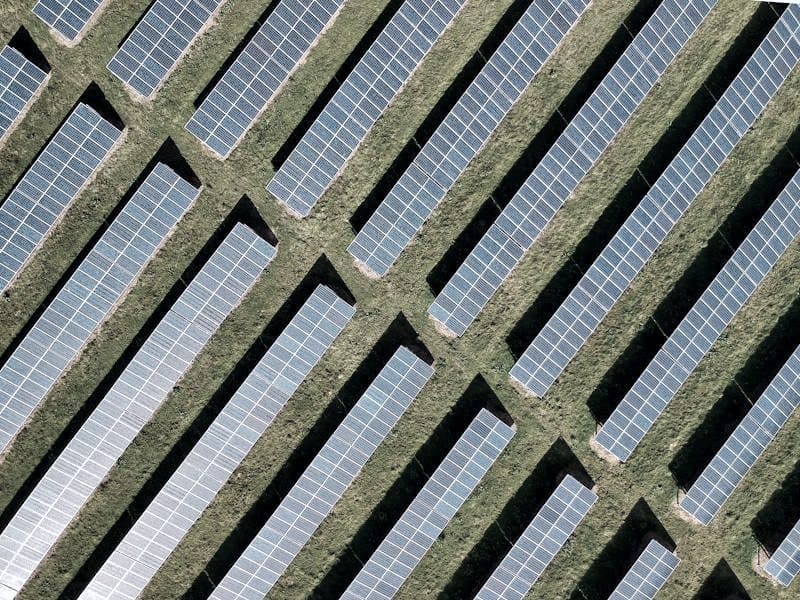
A 3 GW pipeline, 1.2 GW of it in development, of proprietary wind, solar and storage assets in every submarket of the national grid.
Talk to DWUL Energy- EPE, Balanço Energético Nacional 2026, summary report (base year 2025), June 2026.
- EPE, PDE 2035, electricity demand report, September 2025.
- MME, Portaria Normativa 136/2026, June 2026; EPE, LRCAP Armazenamento 2026 registration, August 2026.
- BloombergNEF, Climatescope 2025, November 2025.
- Law 15.269 of 24 November 2025.
- ONS, technical report RT DGL-ONS 0189/2025, May 2025.